

New Standards Require Real Truffle Content
Industry Mandated to Review Labeling and Claims
Regulation Strengthens Transparency in the Food Sector
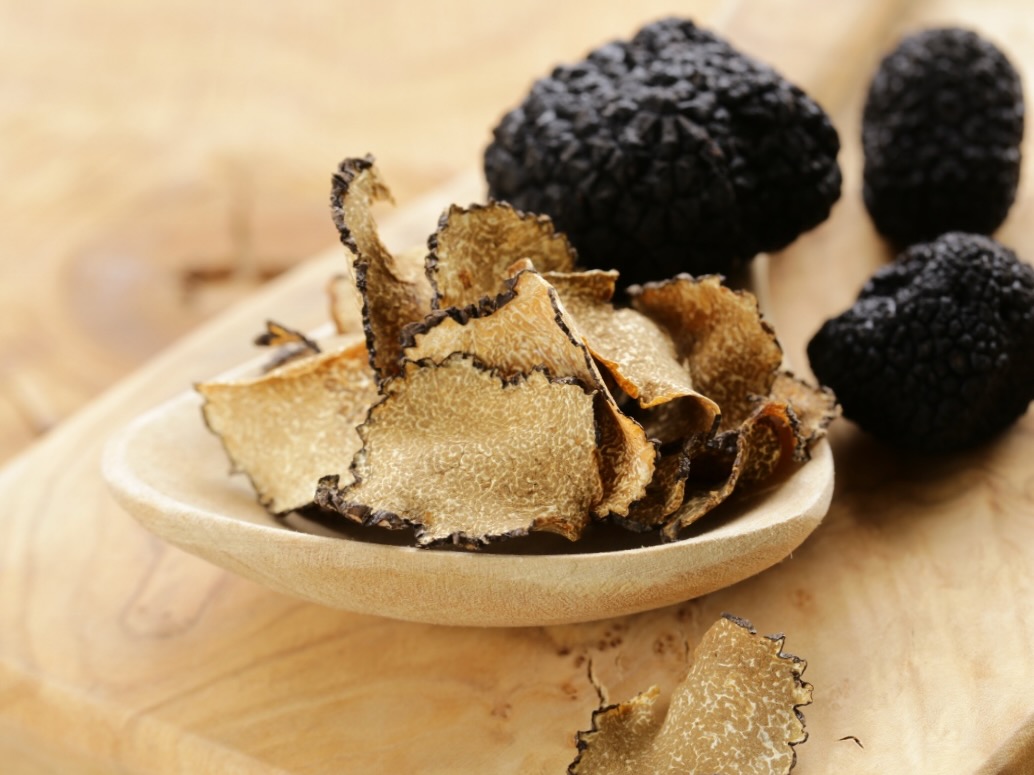
The Spanish Ministry of Agriculture has established official criteria for the use of the term “truffled” (trufa/trufado) in food products, mandating the inclusion of real truffle in the final composition. This measure significantly impacts manufacturers and retailers within a growing market of truffle-infused products and flavorings.
Official Criteria for Food Labeling
Barcelona, 10/04/26
The Ministry of Agriculture, Fisheries, and Food has, for the first time, set official criteria for using the term “truffled”on food labels.
The resolution, driven by the Directorate-General for the Food Industry, aims to ensure truthful consumer informationand prevent unfair competition in an expanding market.
The regulation is based on the linguistic definition that “truffling” implies seasoning or garnishing with actual truffle, which necessitates its physical presence in the final product. Consequently, only foods incorporating natural truffle—or those processed with it that retain it in their composition—may use the “truffled” designation.
Furthermore, using the term will require manufacturers to specify the percentage of truffle on the label, except in cases where it is used in minimal doses solely for flavoring purposes.
Limitations on Flavored Products
The resolution establishes a clear distinction between products containing real truffle and those made exclusively with flavorings.
In the latter case, the designation “truffled” is prohibited. Instead, labels must use terms such as “truffle-flavored” or “with truffle aroma,” ensuring consumers are not misled.
For products combining natural truffle and aromas, the labeling must explicitly reflect this using phrases like “made with truffle and truffle flavorings,” maintaining consistency with the ingredients list.
This shift directly impacts multiple FMCG categories, ranging from ready meals, dairy, and sauces to gourmet items like foie gras, snacks, and condiments, where the term “truffled” has historically been used without standardized criteria.
Direct Impact on Manufacturers and Retail
The new regulation compels manufacturers, distributors, and operators across the retail and Horeca channels to review their sales denominations, labeling, and commercial claims.
The goal is to ensure absolute consistency between the actual truffle content and how it is communicated through packaging and marketing.
Simultaneously, the measure strengthens the position of operators working with natural truffle—a high-value ingredient—over those relying solely on synthetic aromatics. This contributes to leveling the playing field and improving the perception of quality in the market.
The truffle sector, which has a strong presence in Spain and significant export potential, benefits from a clearer framework that bolsters consumer trust and organizes a growing segment within the broader food industry.
infoodspro+